
Articles
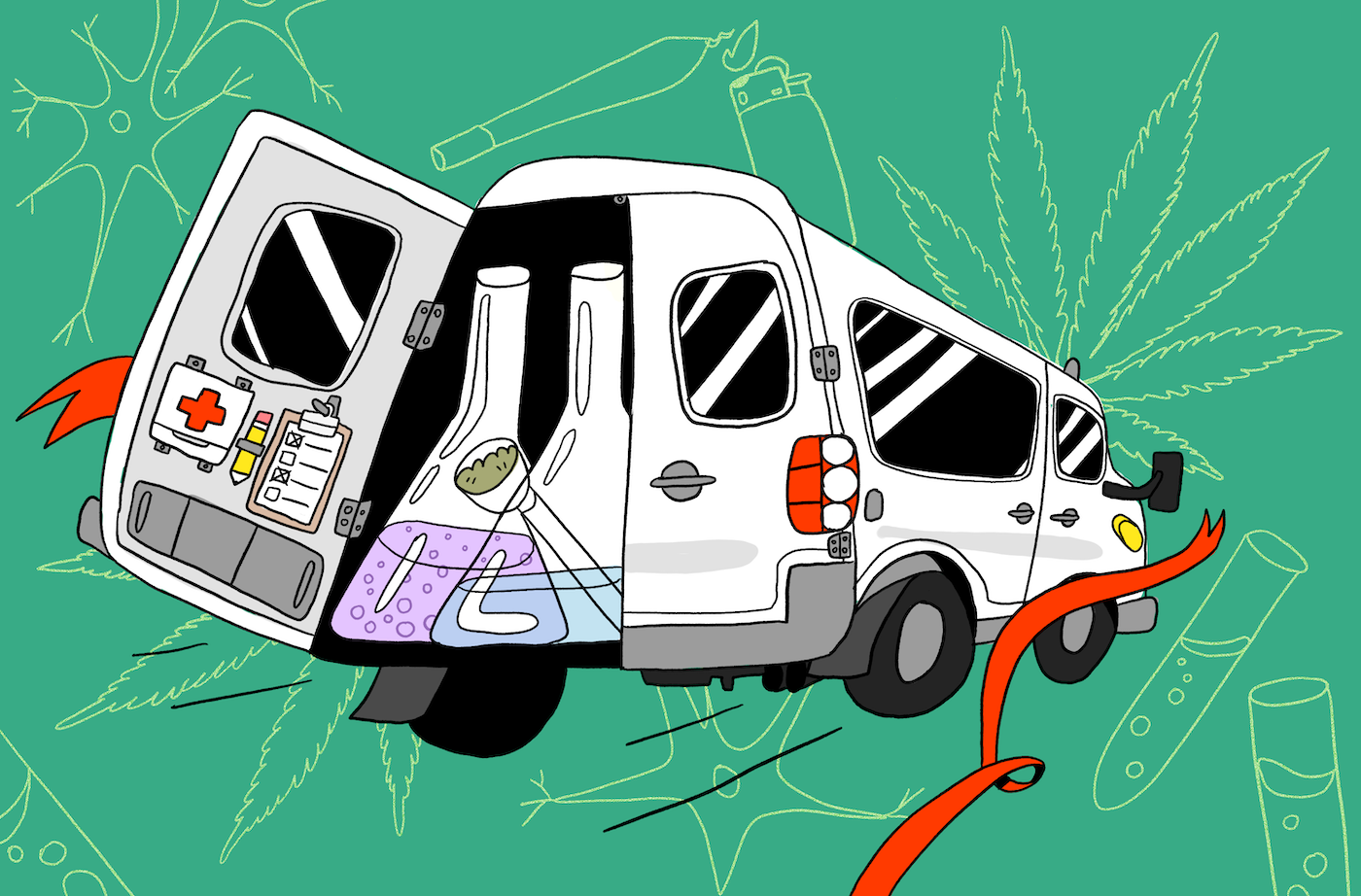
Federal Law Makes Weed Research Complicated. Can A Van Help? 2024. Illustration: Sahra Denner
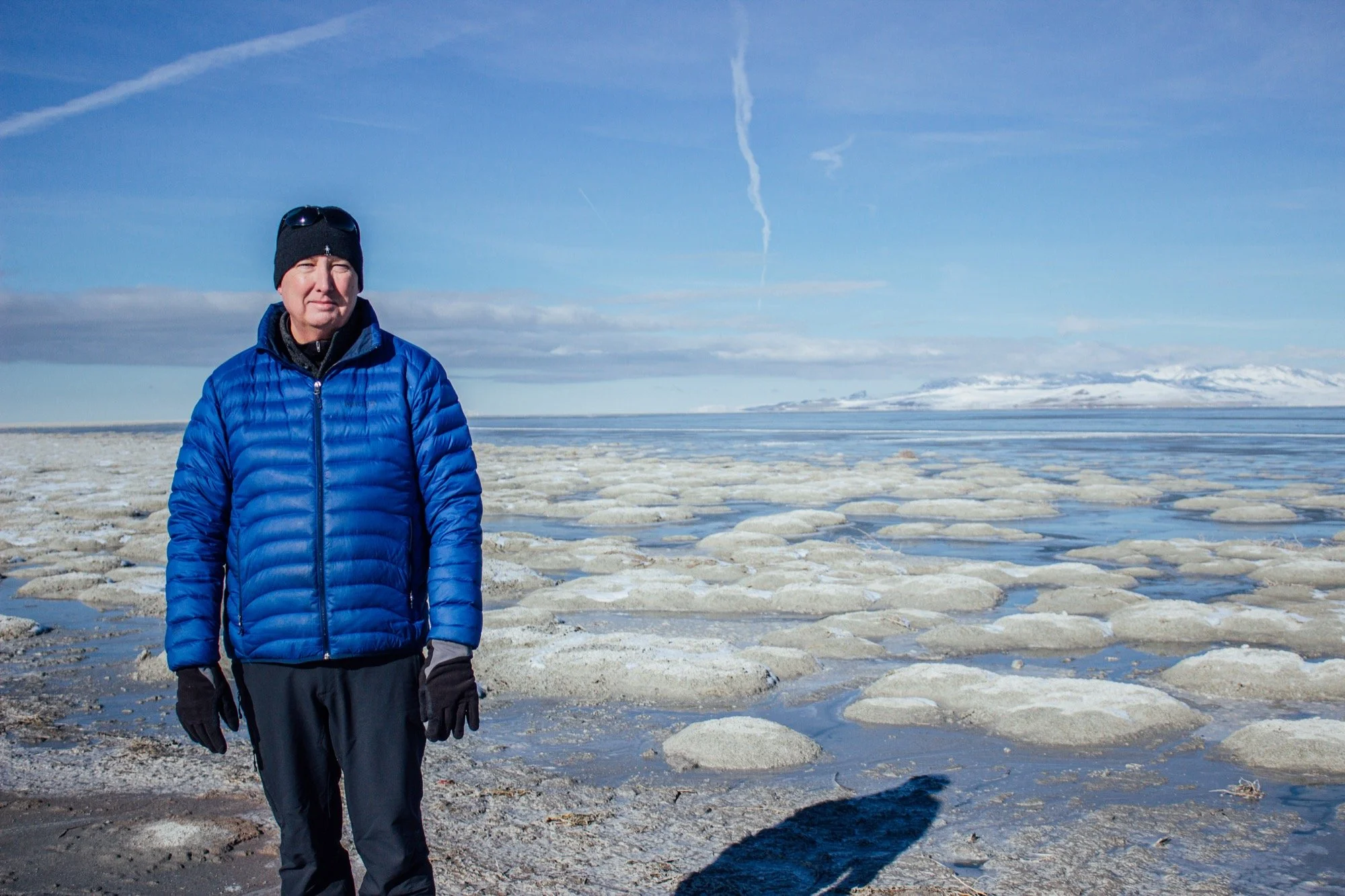
How Utah Scientists Rang The Alarm About The Great Salt Lake, 2023. Photo Credit: D. Peterschmidt
Scientific American
Can plants have consciousness? The film Silent Friend reimagines the science
The mangled remains of probes sent to Venus may still be there
What happened after the fall of Rome? Ancient genomes offer new clues
One scientist’s 10-year quest to calculate the strength of gravity
Person functionally cured of HIV after bone marrow transplant from sibling
James Cameron explains why he is so enchanted by bees
Physicists just took a road trip with a load of antimatter. Here’s how it went
How accurate is the science in Project Hail Mary?
What Bugonia reveals about the real search for aliens
The surprising scientific value of roadkill
Science Friday
Tradition Meets TikTok At The Federal Duck Stamp Art Contest
Instead Of A Vaccine For Lyme, How About A Vaccine For Ticks?
Chasing A Butterfly Down Its Changing Migration Route
Cosmic Chemistry? It Was “Love At First Science”
6 Creative Ways People Are Preserving Nature—And You Can Too
Federal Law Makes Weed Research Complicated. Can A Van Help?
What Did Seeing An Eclipse Do For America?
How Ham Radio Operators Do Eclipse Science
Your Tick Bite Can Help Scientists Map The Spread Of Disease
How Hawaiian Voices Add To The Conversation On Deep Sea Mining
How Utah Scientists Rang The Alarm About The Great Salt Lake
‘Bengal Water Machine’ Data Offers Potential For Increasing Food Security
Advances In Understanding Depression Offer Potential New Treatments
Expert Q&A: How To Manage COVID Risk As New Variants Emerge
The Open Notebook
What Is Pre-Reporting—and Do You Really Need to Do It?
Key Questions for Journalists to Consider Before Using Generative AI
Weaving Indigenous Science into Reported Stories
Jessica Hamzelou Charts the Path to Legitimizing Longevity Medicine
Teen Vogue
This Hannukah, How Do I Talk To My Grandparents About Israel?
Sapient Journal
The Stories Hamadryas Baboons Tell, Or The Ones We Tell Them
It’s A Gorilla Baby Boom!
Radio/Podcast
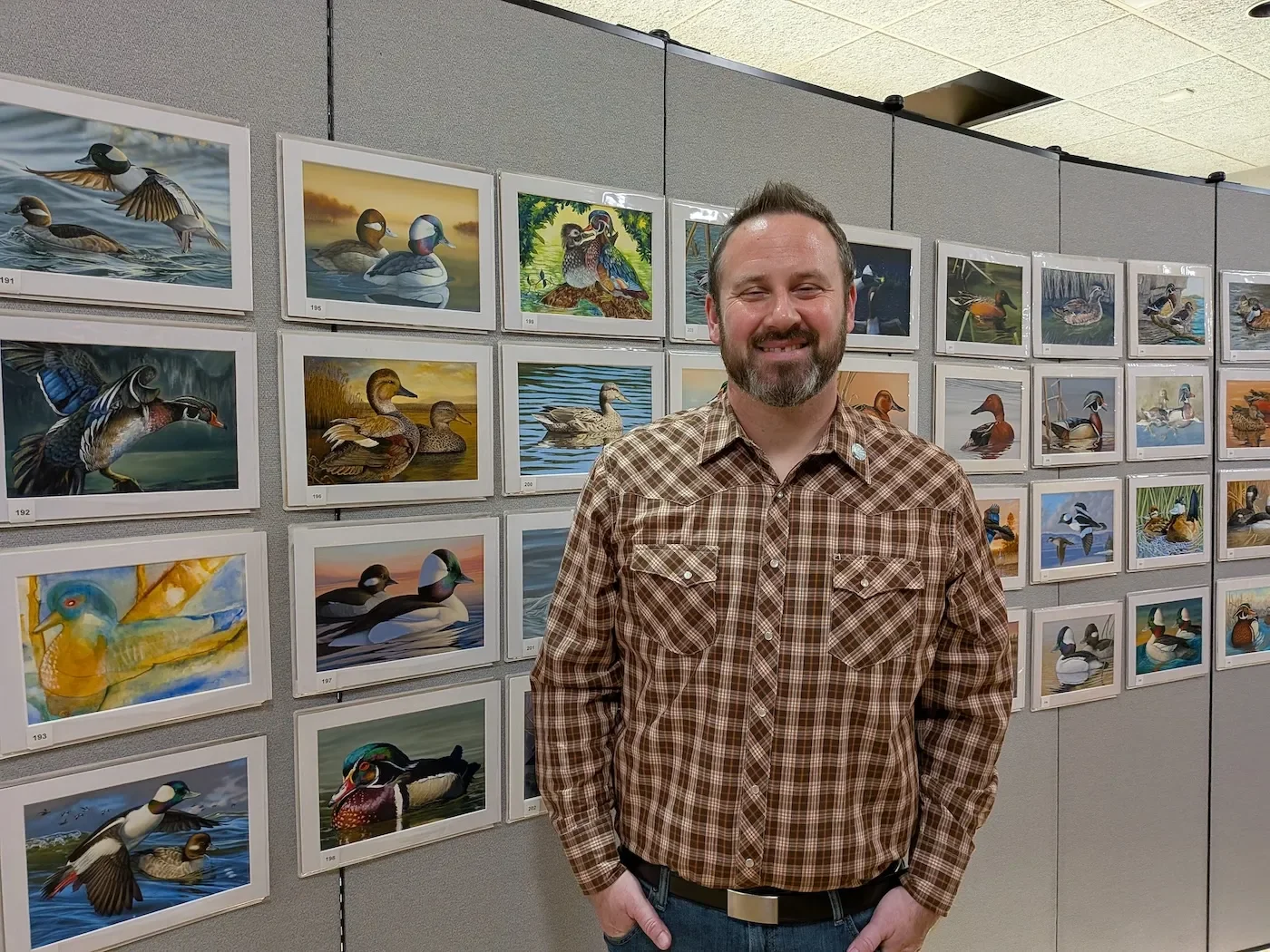
Why Painters Are Obsessed With The Duck Stamp Art Contest, 2025. Photo by Emma Gometz for Science Friday.
Science Friday
These are segments that I produced or co-produced for Science Friday’s radio show.
Why Painters Are Obsessed With The Duck Stamp Art Contest*
In ‘Common Side Effects,’ A Clash Over An All-Healing Mushroom
Meet 3 Leaders Addressing Local Conservation Problems
Inside The ‘Creepy’ Procedure That Taps Into Young Blood
‘Slingshot’ Imagines A Yearslong Space Mission Gone Wrong
The Tornado Science To Know Before Seeing ‘Twisters’
Using A Lab On Wheels To Study Weed From Dispensaries*
Should The Aliens In “65” Have Known About Earth’s Dinos?*
Flame Retardant Could Be Made From Discarded Cocoa Husks
Keeping Tabs On Tick Bites*
Why This Scientist Shares Vulnerable Career Moments*
How The Cherokee Nation Is Saving Culturally Significant Seeds
Can Utah’s Great Salt Lake Be Saved Before It’s Too Late?*
A Fish By Any Other Name: Inside The Effort To Bring ‘Copi’ To Dinner
*I’m a guest or host on this segment!
“Is It Serious?”
I was a research assistant on this show from Offscrip Media for their first season.
What’s the difference between sadness and depression?
What do medical TV shows get wrong?
What is personalized medicine?
How much Ambien is too much Ambien?
Newsletter Projects
Moon Mail


“Moon Mail” is a limited run newsletter series designed to help subscribers make a meaningful experience from the April 2024 total solar eclipse. It was a collaboration with freelance writer Marisa Charpentier delving into the science that makes eclipses special, culminating in an observation activity for the event.
“Science Goes to the Movies” is a reported newsletter that covers the science that influences movies and TV shows—whether they’re about science or not.
Recent installments:
400-Year-Old Displays Of Human Tissue Live On In ‘Frankenstein’
‘Tron: Ares’ And What Happens When AI Gets The Feels
Why ‘The Toxic Avenger’ Has Kept Our Attention For Over 40 Years
Why Self-Driving Cars Are The Perfect Heel In ‘The Naked Gun’
In ‘Jurassic World,’ A Speculative Glimpse At Dinosaur Love
Don’t Lick The Toad From ‘Friendship’
This Mission Was Possible, According To Medical Professionals
In ‘The Shrouds,’ E-Textiles Capture The Intimacy Of Death
The Academy Award For Science You’ve Never Heard Of
‘Common Side Effects’ And The Race To Save Invisible Fungi
‘Y2K’ Fictionalizes The Past Cyber Threat—But More Are Coming
‘Salem’s Lot’ And The Bloody Fountain Of Youth
“The Substance” And The Search For Human Regeneration
‘Slingshot’ And The Mental Battle Of Long Space Missions
‘Twisters’ Highlights The Turbulent Language Of Twin Tornadoes
Should The Aliens In “65” Have Known About Earth’s Dinos?
Was The Nostalgic Music In ‘Argylle’ Crucial To The Plot?
“Tiny Nature Triumphs” is a newsletter about good deeds for the planet, accomplished on a hyper-local level. It shares stories from projects around the U.S. focused on community sustainability and citizen science—all while encouraging subscribers to share their own stories and participate themselves.
See the archive of the newsletter installations at the link below.
Sincerely, Science

Science Goes To The Movies
Tiny Nature Triumphs

“Sincerely, Science” is a limited run reported newsletter series profiling scientists on their career journeys and highlighting the human element of the scientific process.
Xiaodong Lin-Siegler On Failing Upward
Rachel Lupien On Talking It Out
Matt Covington On Facing Fears
Murry Burgess On Inclusive Field Safety
Marisa Tellez On The Croc Within
Kevin Perry On Doing The Right Thing
Digital Cephalopod Coloring Book
Cephalopod of the day is a limited-run newsletter automation that I originated to bring together Science Friday’s Cephalopod Week programming. This year, our newsletter featured a daily digital coloring page of a cephalopod, paired with a story about the science of the creature.
Check out the intro to the series and download the coloring pages.